


After the battering India endured in the Test series, the ODI leg against South Africa felt less like a bilateral contest and more like a test of character. And in that space—where nerves jangle, confidence wavers, and the dressing room can slip into self-doubt—two men stood tall once again: Virat Kohli and Rohit Sharma. Much has been written about their records, their hundreds, their milestones. But what the scorecard cannot capture is the stabilising aura they bring, the discipline they inject, and the example they set for a young Indian squad still learning to navigate international cricket’s unforgiving terrain.
The turnaround began not with any tactical overhaul but with presence—pure, reassuring presence. When senior pros like Rohit and Virat walk into a dressing room after a humiliating Test defeat, the mood shifts. Shoulders drop, breathing steadies, and a quiet message goes out: We’ve been here before. We know how to climb back. That itself is half the battle.
Virat Kohli, in particular, embodied that steel through his bat. Back-to-back centuries in the first two ODIs were not just statistical masterclasses—they were statements of intent. They also reflected what younger players seldom understand until taught: how to rebuild confidence through the process. Kohli wasn’t in a hurry. He respected movement, trusted his fitness, picked his bowlers and, most importantly, stayed there. His unbeaten half-century in the final ODI was perhaps the finest lesson of all—no fuss, no flourishes, just control. You could sense the dressing room stabilising around him.
Rohit’s contributions were of a different flavour but equally priceless. Captaincy is often reduced to match-ups and field placements, but its deeper power lies in empathy and timing. Rohit’s half-century in the series opener set the tone; his next knock—75 decorated with seven fours and three sixes—was vintage Hitman, the kind of innings that makes a chase look smaller than it actually is. The message to the youngsters was simple: pressure dissolves when you dictate terms.
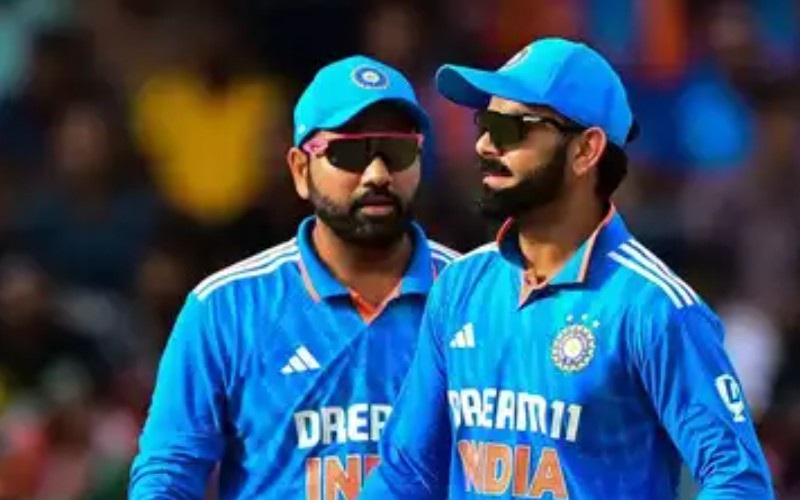
What impressed me more, though, were the moments that will never be replayed on TV. Rohit pulls Kuldeep Yadav aside mid-spell, telling him not to get carried away with over-appealing or burning reviews. Kuldeep’s control immediately tightened. Or the far more telling moment in the final ODI—when Yashasvi Jaiswal, struggling for rhythm, was gently coaxed by his senior partner not to force the scoring. Rohit slowed the game down for him, shielded him, rotated strike with care, and ensured the youngster reached a well-deserved century. These are the unseen investments that shape players, seasons, and even eras.
Many fans now ask whether Kohli and Rohit should be part of India’s 2027 ODI World Cup plans. As a former Ranji player who has shared dressing rooms with senior pros, let me say this clearly: age is a number only until men like these continue to produce numbers. But beyond that, there is something deeper. Desire doesn’t respect calendars. Hunger doesn’t age. What Rohit and Virat are giving Indian cricket today is reminiscent of the late Salim Durani, whose charisma, confidence, and “six on demand” persona lifted teammates merely by presence.
Senior players are picked for performance, yes. But these two have moved beyond performance into mentorship, culture-building, and emotional conditioning. They have taught this young team the meaning of togetherness, how to stick to the process, how to treat winning and losing as part of a longer journey, not a verdict. Their presence converts anxiety into assurance, and shaky sessions into learning curves.
The ODI series win over South Africa was not merely a statistical rebound; it was proof that a team anchored by elite senior pros can find stability even after adversity. If fitness permits, India will be unwise not to carry these two giants to 2027. Because numbers may fade, but culture—their culture—endures. And culture is what wins tournaments.


