


Institutions are often remembered for their scale. A few are remembered for their soul. The Exhibition Society belongs firmly to the latter category — an institution that has combined spectacle with service, enterprise with empathy, and tradition with transformation.
Established in 1938 by the graduates of the illustrious Osmania University, the Society began as a modest, non-profit initiative driven by a powerful mission: to promote industrial development, encourage entrepreneurship, and contribute meaningfully to community welfare. What started as a collective effort by visionary alumni has, over eight decades, evolved into one of India’s most enduring platforms for economic and social upliftment.
At the heart of the Society’s identity lies its flagship annual exhibition — Numaish Masnuat-e-Mulki, popularly known as Numaish. Hosted at its sprawling 23-acre permanent venue in Nampally, Hyderabad, the exhibition is unique in the world for being conducted continuously for 46 days each year. It is not merely a fair; it is a living institution that celebrates India’s diversity, craftsmanship, and entrepreneurial spirit.
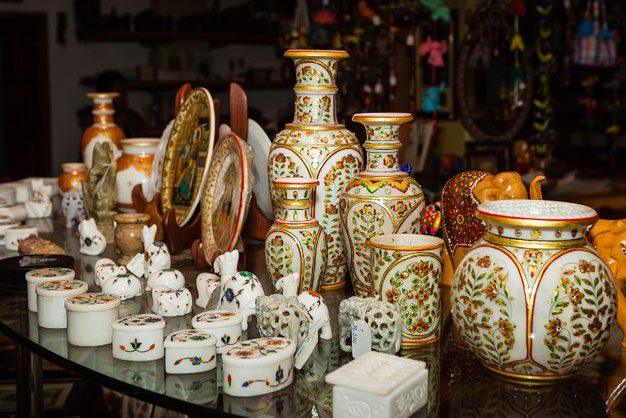
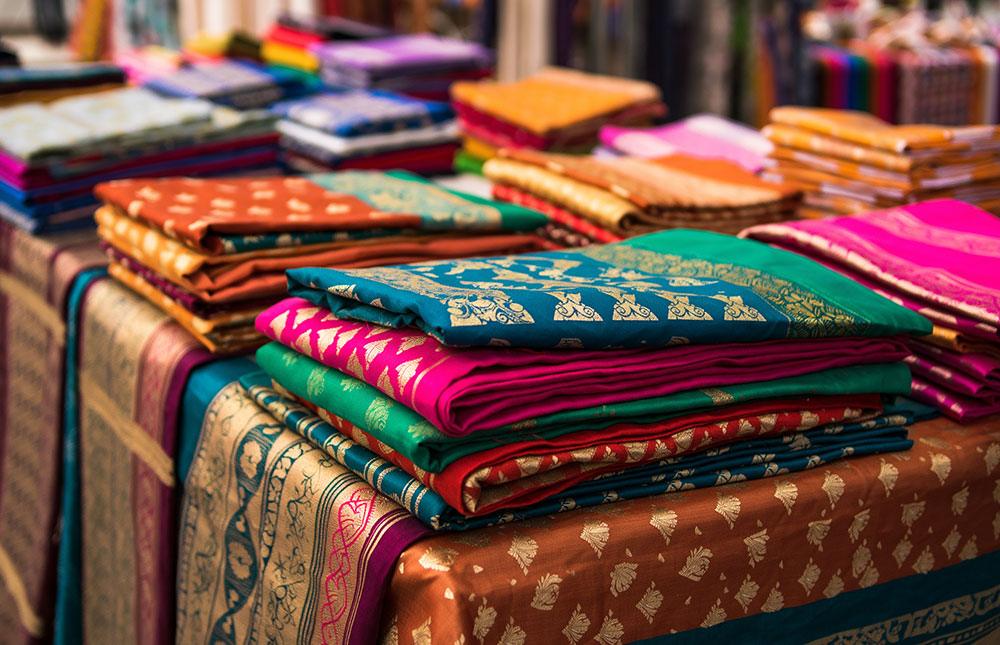
From dry fruits and handicrafts from Jammu & Kashmir to handmade garments from Uttar Pradesh, West Bengal, and Madhya Pradesh, Numaish brings together artisans, small manufacturers, and traders from across the country under one roof. Visitors experience a vibrant mix of traditional crafts, electronics, home utilities, textiles, and regional specialties. Special stalls managed by women’s self-help groups and even prison inmates reflect the exhibition’s inclusive ethos, offering livelihood opportunities to marginalized communities.
The exhibition is equally a cultural carnival. Joy rides, family entertainment, regional cuisines, and iconic culinary delights make it a cherished annual outing for Hyderabadis. The famed Hyderabadi haleem served by Pista House remains a much-awaited attraction. With three prominent entry points — Gandhi Bhavan Gate, Ajanta Gate (the main entrance), and Goshamahal Gate — the venue transforms into a bustling microcosm of India every year.
Yet, beyond the glittering lights and festive atmosphere lies the true purpose of the Exhibition Society. The proceeds generated from Numaish and related activities are channeled into sustaining 20 professional educational institutions run by the Society, collectively benefiting nearly 30,000 students annually. It’s also more focused on helping oppressed and depressed sections to possess professional as well as skill development courses, by providing admissions at a nominal, if not subsidised fees. These institutions offer education from primary to postgraduate levels, nurturing generations of youth and shaping futures with an emphasis on quality and accessibility.
The Society’s educational and social initiatives are rooted in the pioneering vision of its early leadership. Among the stalwarts was Sri Shankerji, a founder member of the Osmania Graduates’ Association and the Honorary Secretary of the first Exhibition Committee. A towering personality with unyielding commitment, he steered the Society for over three decades, transforming it from a fledgling organization into a mature institution dedicated to public service.
Under his stewardship, the Society expanded its scope beyond exhibitions to promote small-scale industries, vocational training for women, and institutions offering graduate and postgraduate education. His ability to inspire collaboration drew senior government officials and industry leaders to the cause. Later, Sri Shankerji went on to serve as Chairman of the Andhra Pradesh Public Service Commission, reinforcing his lifelong dedication to institution-building and public administration.
Over the decades, Numaish has also reflected the changing geopolitical and economic landscape. Until 2011, it featured carpets from Iran and stalls from Pakistan, highlighting its openness and international flavor. Subsequent diplomatic shifts altered that dynamic, yet the exhibition’s core spirit of national integration and self-reliance has remained intact.
The year 2025 marked a historic milestone for the Society with the securing of the official Trademark License for Numaish® — a recognition that formalizes and protects the identity of an event that has thrived for 84 remarkable years. This year’s edition witnessed unprecedented footfalls, drawing visitors not only from Hyderabad but from across the country, reaffirming its stature as a national institution.
In an era where many events are driven by commercial motives alone, the Exhibition Society stands apart. Its model is unique: commerce serving charity, entertainment enabling education, and tradition fostering transformation. It has created employment opportunities, supported micro-enterprises, and sustained educational institutions — all while remaining steadfastly non-profit in character.
The Exhibition Society’s journey is a testament to what collective civic vision can achieve. It is not merely about an annual exhibition; it is about eight decades of quiet, consistent nation-building. In celebrating Numaish, we celebrate a legacy of service — one that continues to illuminate lives far beyond the fairgrounds of Nampally. (The author is an Educationist & Social Activist).


Shree Jyothi name is most famous for its care of elderly women, there are several sister organizations and similarly named trusts that focus on children’s welfare and general humanitarian aid helping any person in need
The Exhibition Society which claims as a society under section 8 socities act as well as a company with CIN number is full of scams and the present managment is a symbol of decoity, funds embrasellments and cheating including this government land illegal occupation. It has records of ACB raids, UGC sanctions for submitting false utilization certificates , Capitation fee voilations and host of irregularities which is a never ending list. The press must look into 360 degrees of activities positive and negative and must publish all facts than mere boosting of festivities without verification. The Government of Telangana is probing into various aspects and even the politicians are avoiding this society for smearing activities.
The views expressed in this article are those of the author and not necessarily those of the e-paper. As a responsible publication, we ensure that our contributors are given the freedom to express their views and experiences based on their understanding. — Editor