


China has once again demonstrated that it remains tone-deaf to a changing geopolitical reality and blind to the fact that India of 2025 is not the India of 1962.
Its latest provocation—the arbitrary detention of an Indian woman traveller at the Shanghai airport—may look like a routine immigration episode in Beijing’s telling.
But New Delhi has correctly read it for what it is: yet another link in a long chain of coercive tactics, intimidation, and manufactured disputes aimed at undermining India’s sovereignty over Arunachal Pradesh.
For years, China has played a cynical game—issuing stapled visas to Indian citizens from the Northeast, renaming villages inside Arunachal, routinely parading the fictional cartographic term “Zangnan,” and throwing tantrums whenever Indian leaders visit the state. But this latest episode crosses a new line: it attempts to punish ordinary Indian citizens for Beijing’s delusional territorial claims.
This time, India responded with clarity and conviction. When the Chinese Foreign Ministry claimed the detained Indian was handled “as per Chinese laws,” MEA spokesperson Randhir Jaiswal delivered a crisp reminder: Arunachal Pradesh is an integral and inalienable part of India. No amount of denial by China is going to change this indisputable reality.
That is diplomacy stripped of ambiguity, designed to make Beijing understand that bullying no longer works.
The detention incident does not stand alone. It comes against the backdrop of China’s continued provocations along the LAC. Despite several rounds of military and diplomatic talks after the clashes in Ladakh and the scuffle in Arunachal, China continues to test India’s patience and preparedness.
Last year’s confrontations saw Indian soldiers physically push back PLA intruders—firmly and unapologetically. But those tactical setbacks have not stopped Beijing’s political propaganda machinery.
Renaming Indian villages, redrawing imaginary maps, fabricating “South Tibet”—these are not gestures of peace. They are coordinated psychological warfare aimed at normalizing illegitimate claims. India has repeatedly dismissed these antics, making it clear that the entire state of Arunachal Pradesh is Indian territory. Any meddling, any misadventure, will be met with a decisive response.
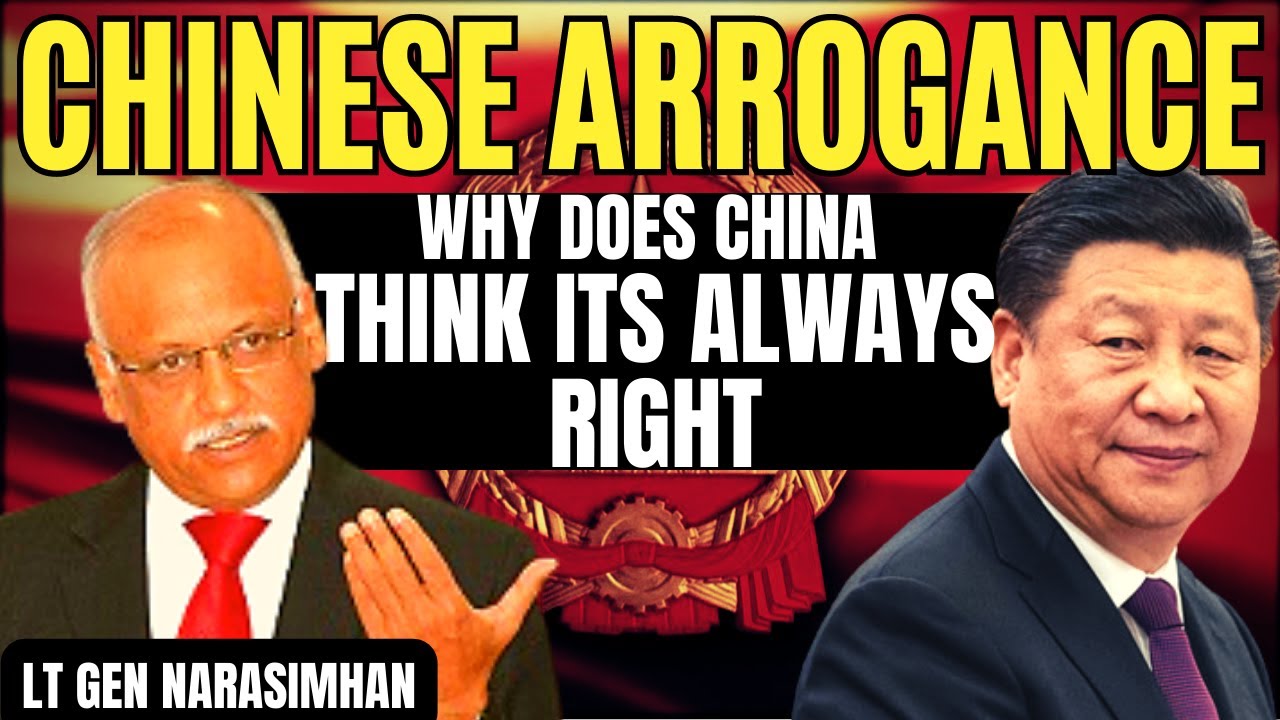
Yet China persists, unwilling to accept that the world, and India, have changed. New Delhi’s decision to link the Shanghai detention to the broader territorial dispute is deliberate—and necessary.
What China saw as a petty flex at an airport has now escalated into the latest flashpoint in already strained India–China relations. Beijing may have hoped the matter would pass as a routine inconvenience. Instead, it has triggered a political message that China cannot afford to ignore: India will not tolerate selective harassment of its citizens.
The MEA’s insistence on assurances that Indians will not be singled out at Chinese airports is not merely consular caution. It is a strategic warning. Because if Indian travellers—especially those from border states like Arunachal—feel unsafe, the diplomatic fallout will be severe and immediate. China Eastern Airlines only recently resumed the Shanghai–Delhi route after five years. Commercial aviation links between the two countries are still fragile.
If Indians begin re-routing long-haul travel through Singapore, Dubai, or Doha, China stands to lose both economically and strategically. Beijing’s attempt to weaponize transit procedures could backfire spectacularly.
The MEA’s advisory urging travellers to exercise “due discretion” stops short of a formal warning, but it is calibrated to achieve maximum pressure with minimal escalation. It tells Chinese authorities: you are on notice. It reassures Indian citizens: your government will intervene when your rights are violated.
And it signals to the world that India will challenge China’s coercive playbook head-on. If Beijing imagined it could intimidate India into silence by detaining a lone traveller, it has miscalculated badly. Every reckless provocation only hardens India’s stance and exposes the fragility of China’s propaganda.
The message from New Delhi is unmistakable: Respect India’s sovereignty. Stop targeting Indian citizens. And understand—this is not 1962.


