



Lakshman Rao Upadhayulu
The ancient Vedic vision proclaims a truth at once simple and sublime: no task, however formidable, remains unconquerable when undertaken in the true spirit of humanity. When effort is pure, intention unalloyed, and perseverance unwavering, Nature herself becomes an ally. The universe, far from being indifferent, responds to resolute human striving by magnifying its force and refining its outcome. What appears as transcendence is often the flowering of steadfast labour touched by unseen grace.
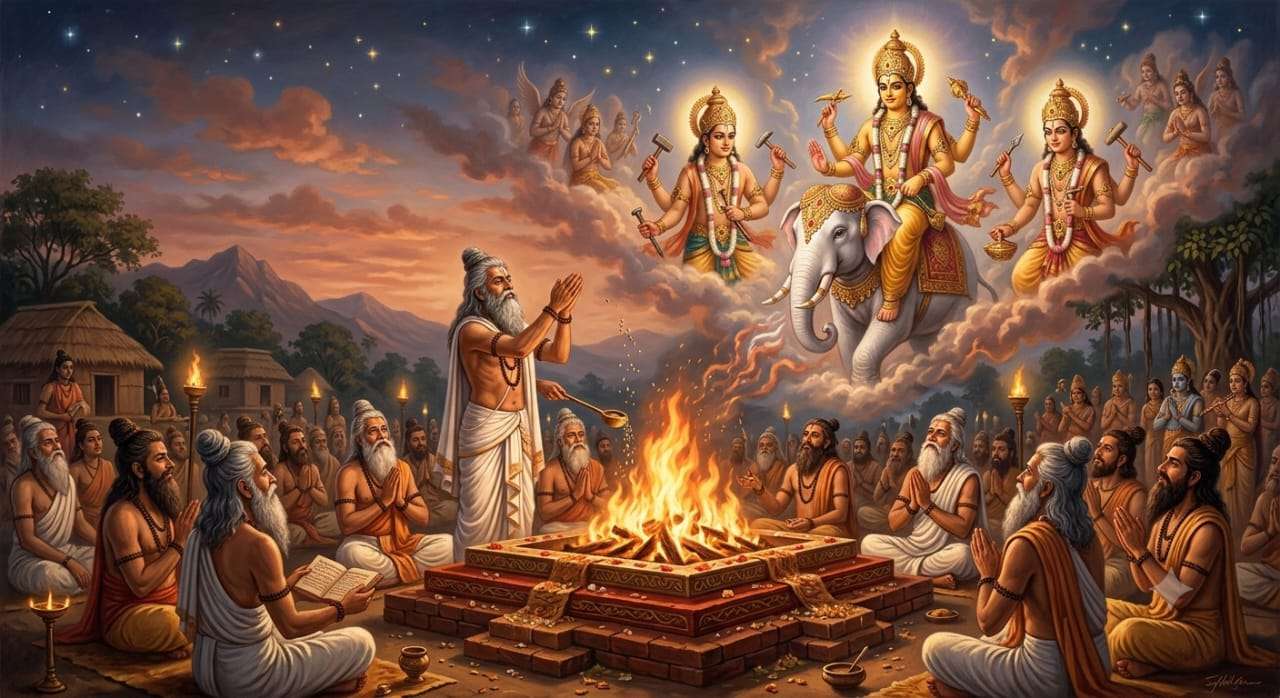
The wisdom of the Vedas teaches that man is not a solitary struggler but a conscious participant in a cosmic order—ṛta, the harmonious law that binds effort and result. When one lays down genuine resources—time, strength, intellect, and moral courage—for a righteous cause, the very energies of existence align in subtle support. Achievement then assumes a radiance beyond calculation; it appears miraculous, yet it is the rightful fruit of disciplined endeavour combined with divine sanction.
This principle shines resplendently in the epic of Mahabharata. The heroic prowess of Bhima and Arjuna was not born merely of physical strength or martial skill. Bhima’s colossal might, which shattered adversaries and crushed injustice, was sustained by loyalty and unwavering resolve. Arjuna’s unmatched archery, refined under austere discipline and guided by divine counsel, reached heights that seemed superhuman. Yet their triumphs were not accidents of destiny; they were the culmination of relentless training, moral trials, and adherence to dharma. When human excellence met divine guidance, as seen in Arjuna’s dialogue on the battlefield, the result was not mere victory but a revelation of cosmic wisdom.
Likewise, in the sacred narrative of Ramayana, the luminous figures of Rama and Lakshmana embody the fusion of human effort and transcendent grace. Rama, though revered as divine, walked the path of exile with the fortitude of a mortal prince, enduring hardship without resentment. Lakshmana’s vigilance and tireless service reveal how devotion amplifies strength. When they undertook the daunting task of confronting the formidable forces of Lanka, their cause was upheld not solely by arms but by righteousness. The universe itself seemed to conspire in their favour, as allies emerged and obstacles dissolved before steadfast resolve.
The tale of Nala further illumines this theme. Renowned for his virtue and skill, Nala faced trials wrought by the influences of Kali and Dwapara. Stripped of kingdom and comfort, he wandered in adversity. Yet through patience, humility, and mastery over his own despair, he regained what was lost. His charioteering, unmatched in precision, symbolised control over both reins and destiny. The seemingly impossible feats he achieved were not sudden miracles but the harvest of endurance purified by suffering. Even celestial forces yielded before disciplined will aligned with righteousness.
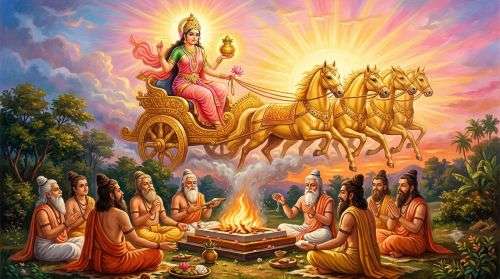
In ancient lore, human aspiration frequently converges with cosmic design. Samvarana, king of Ayodhya in early tradition, through devotion and perseverance, won the hand of Tapati, the radiant daughter of the Sun. Their union gave rise to the illustrious Kuru lineage, from which the grand drama of the Bharata unfolded. Here again, mortal longing, when ennobled by sincerity, was sanctified by divine favour, shaping the destiny of generations.
Across these narratives runs a single luminous thread: effort is sacred. The Vedic seers did not preach passive reliance on fate; they exalted purposeful action infused with integrity. Transcendence does not descend upon indolence. It crowns those who strive, who exhaust their human capacities, and who dedicate their labour to a higher principle. When the heart is steadfast and the cause just, invisible currents of strength arise, elevating human endeavour to uncommon excellence.
Thus, the quantum of achievement may appear otherworldly, yet its roots lie firmly in disciplined striving. The extra strength that manifests at critical moments is not alien to humanity; it is the awakening of dormant potential stirred by faith and perseverance. Divine grace, in the Vedic vision, is not arbitrary favour but the harmonious response of the cosmos to righteous exertion.
In this eternal dialogue between man and the universe, the message resounds with clarity: labour with sincerity, act with dharma, persevere with courage. Then the finite hand of man shall be strengthened by infinite energies, and the work accomplished shall bear the stamp of both human excellence and transcendent grace


Excellent interpretation of cosmic unity and my heartiest greetings to your deep insights and thought process. The presentation is serene and sublime and actually beyond the comprehension of an ordinary human mind which being caught in the web of illusion cannot foresee the divine play.