




Dear Readers and Patrons,
After receiving overwhelming encouragement from our readers and the enthusiastic participation of new contributors, we are delighted to present Infinity Flows, a special page under our Wisdom Series. This initiative is not merely an addition to our publication—it is a reaffirmation of our commitment to rediscover, preserve, and celebrate the timeless civilizational heritage of Bharat.
Bharat—the original and sacred name of one of the world’s largest and most enduring civilizations—has, for millennia, offered humanity profound contributions in science, mathematics, astronomy, astrology, medicine, philosophy, governance, and social harmony. It is a culture where reverence for nature is not symbolism but a way of life; where rivers, trees, mountains, and even stones are honoured as manifestations of the divine order. Far from being primitive ritualism, this worldview is rooted in a deeply interconnected understanding of existence—an ecological, ethical, and spiritual framework that modern discourse is only now beginning to appreciate.
History bears testimony to the fact that these civilizational treasures endured severe trials. Successive waves of foreign invasions—from Mughal rule to British colonialism—sought to dismantle institutions, erode cultural confidence, and fracture social continuity. Yet, despite centuries of disruption, the foundational ethos of Sanatana Dharma remained resilient. The demographic continuity of this tradition, even after periods marked by coercion and upheaval, reflects not merely survival but the enduring strength of a philosophical system deeply embedded in society.
Our e-paper stands committed to educating younger generations about this heritage—not through rhetoric, but through knowledge, reflection, and intellectual engagement. The purpose is revival through understanding, not nostalgia; clarity through scholarship, not mere sentiment.
Infinity Flows is conceived in that spirit.
In the ancient Hindu worldview, infinity was never imagined as an empty abstraction or a boundless void. It was understood as a living totality—a seamless continuum of faith, virtue, moral law, action, consequence, and transcendence. In this sacred civilizational framework, infinity was not simply a measure of space or time; it was the pulsating rhythm of dharma guiding human life.
At the heart of this culture stand the Vedas—revered not as authored texts, but as eternal sound (śruti) perceived by enlightened seers. From these revelations emerged the concept of ṛta, the cosmic order, which later found expression as dharma—the moral and ethical law sustaining both society and the individual soul. Infinity, therefore, was never chaos; it was ordered harmony. Every action bore consequence. Every life was woven into a larger cosmic fabric.
With the unconditional support of one of our founder members, we have ventured to begin this unique page—an endeavour we believe will stand apart in depth, purpose, and authenticity.
We are particularly grateful to Upadhyay Lakshman Rao, a scholar deeply immersed in the Vedas and Upanishads. His thoughtful explorations of the Ramayana and later the Mahabharata—two epics distinct in narrative style yet united in philosophical depth—have enriched this initiative immensely. His work exemplifies the kind of scholarship and sincerity we wish to encourage.
We also extend our heartfelt gratitude to contributors who have begun writing “Special Thoughts” (drawing from the timeless wisdom of the Vedas and Upanishads) and “Wisdom and Its Relevance,” as well as to those curating temple features that illuminate lesser-known shrines—both humble and grand—across the country. Through these collective efforts, we hope to reconnect readers with the living traditions that continue to shape the spiritual geography of Bharat.
Infinity Flows is not merely a page—it is a movement of thought. It is an invitation to rediscover the infinite within our civilizational consciousness and to carry that light forward with clarity and conviction. — Editor
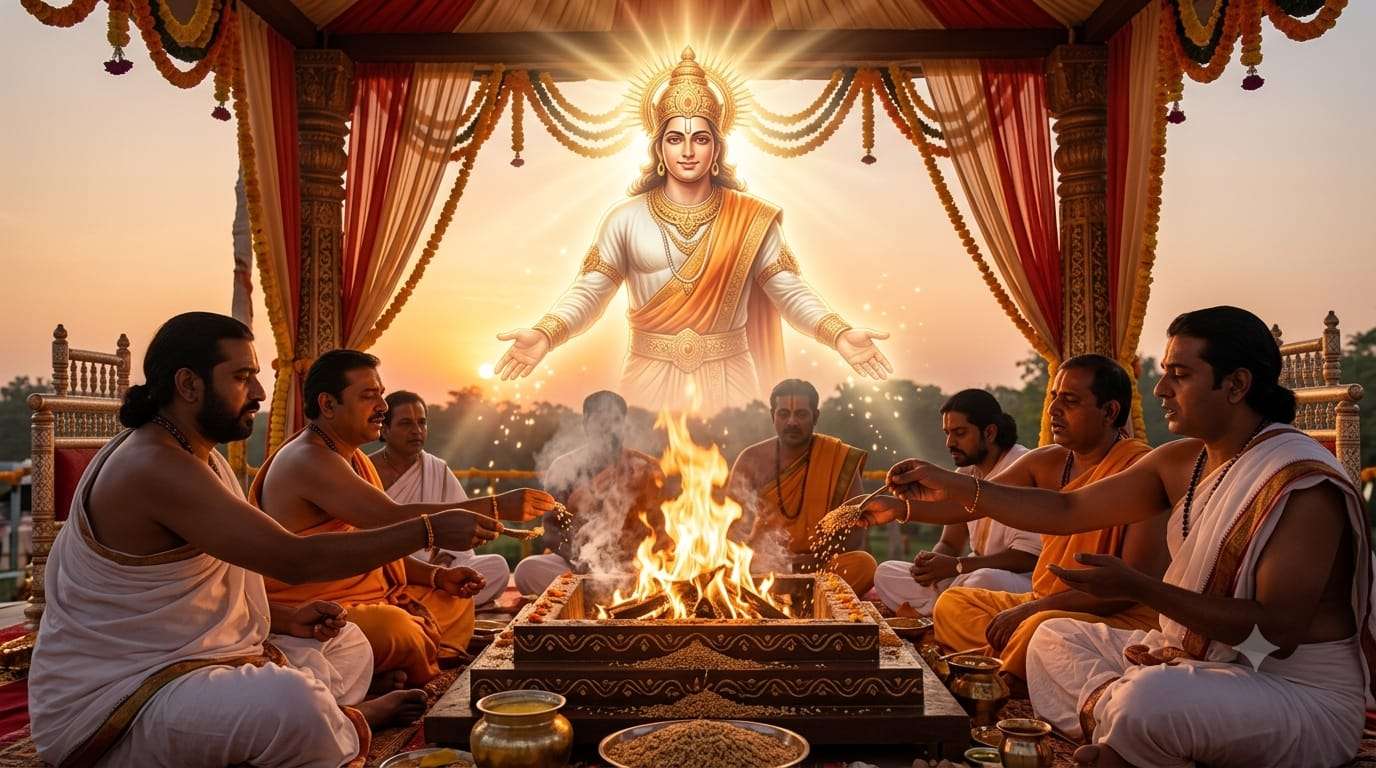
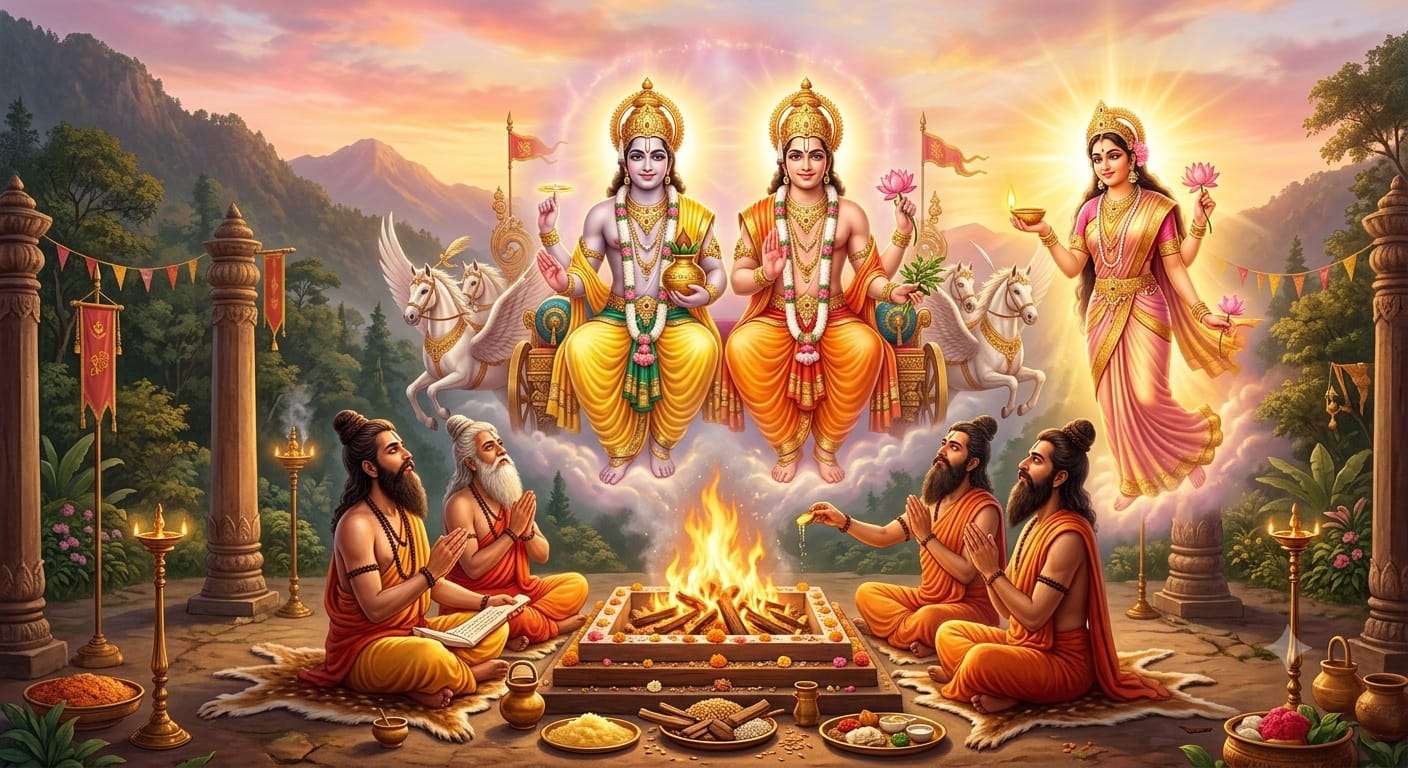


let infinity flow grow seamlessly without bounds
A thoughtful and dignified editorial. Infinity Flows beautifully balances scholarship with cultural sensitivity, presenting Bharat’s heritage as living wisdom rather than nostalgia. Its emphasis on understanding over rhetoric and continuity over sentiment makes it both educational and inspiring—especially valuable for younger generations seeking roots with reason. A commendable intellectual initiative.