


In the waning days of 2025, silver has emerged as one of the most captivating stories in global markets. What began as a modest uptick in prices has erupted into a full-blown rally, with spot silver surging from around $29 per ounce at the year’s start to highs exceeding $80 in late December. This meteoric rise, fueled by China’s impending export restrictions set to take effect on January 1, 2026, has not only shattered records but also underscored silver’s dual identity as an indispensable industrial commodity and a resilient monetary asset. As we stand on the cusp of a new year, investors are buzzing with speculation: Could silver hit $100 in 2026? And what lessons from history, like the infamous Hunt brothers’ attempt to corner the market in 1980, warn us of potential pitfalls ahead?
The rally’s intensity is staggering. In just 10 days leading up to December 29, 2025, prices climbed 25%, pushing the metal into “multibagger” territory with year-to-date gains surpassing 169%. Shanghai physical silver has traded at premiums as high as $91 per ounce, while COMEX futures closed around $77, signaling acute physical tightness and backwardation in forward curves—a classic hallmark of supply stress. Elon Musk, the influential CEO of Tesla and SpaceX, amplified the drama by retweeting concerns and commenting, “This is not good. Silver is needed in many industrial processes,” highlighting risks to sectors like electric vehicles (EVs), solar panels, and electronics where silver’s superior conductivity makes it irreplaceable.
China’s Export Restrictions: The Spark That Ignited the Blaze
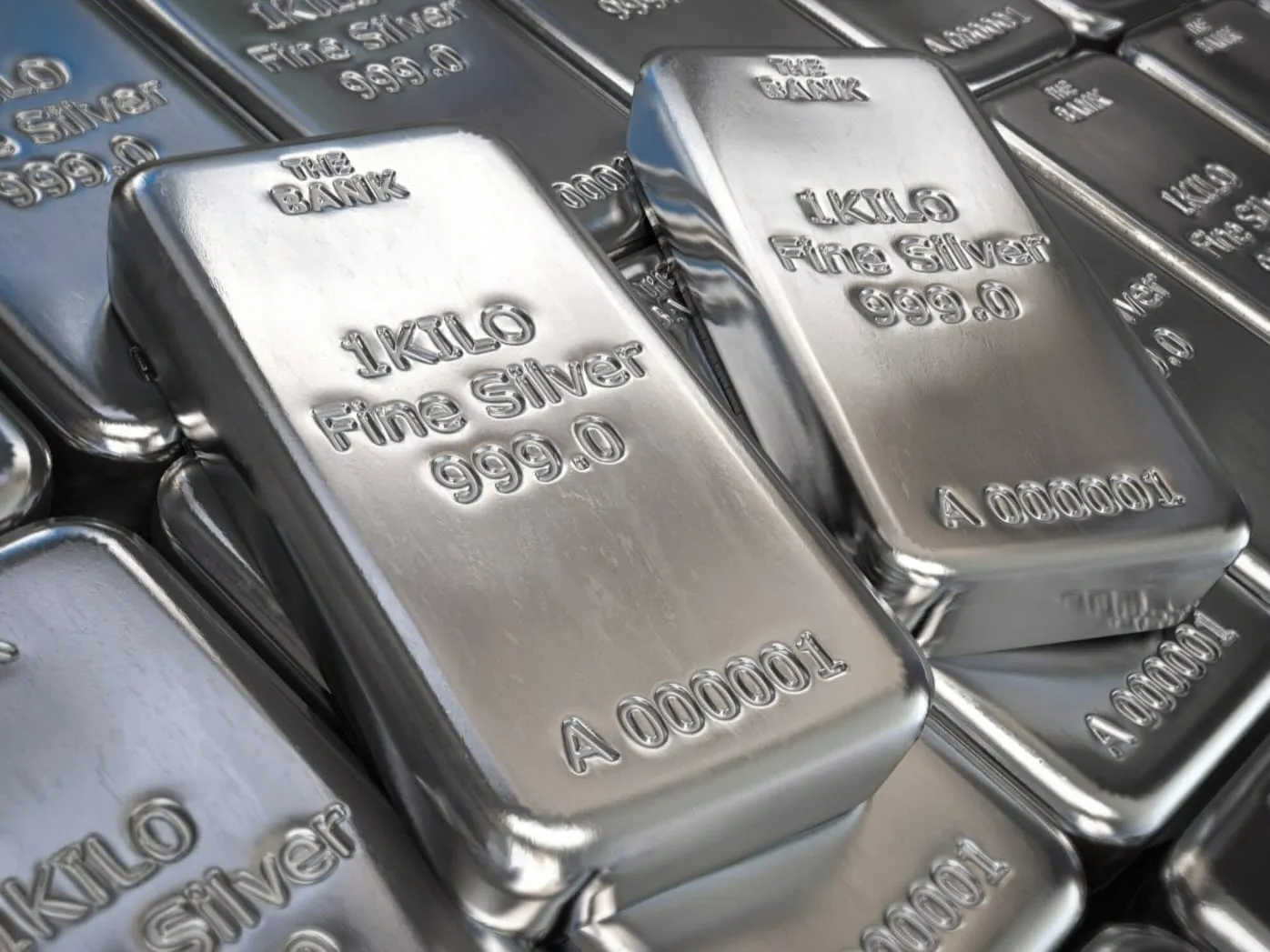
At the heart of the rally lies China’s strategic pivot on silver exports. As the world’s top producer, controlling 60-70% of global output, China announced a new licensing regime in late 2025, effective January 1, 2026. This replaces outdated quotas with stringent approvals limited to large, state-backed firms producing at least 80 tonnes annually and maintaining $30 million in credit lines. Smaller exporters, who previously flooded the market with surplus metal, are effectively sidelined, potentially halving China’s net exports of around 140 million ounces annually.
Also read: https://orangenews9.com/wp-admin/post.php?post=60016&action=edit
The announcement triggered immediate panic buying. Early estimates suggest that 25% of China’s exports—about 35 million ounces—could be restricted, exacerbating a global supply deficit already projected at over 117 million ounces (3,660 tonnes) for 2025. This marks the fifth consecutive year of shortfalls, with cumulative deficits since 2021 depleting inventories at key hubs like London, COMEX, and Shanghai by nearly 800 million ounces.
The policy echoes China’s past maneuvers in rare earths, where export controls solidified strategic dominance. For silver, the implications are profound: industrial users, from solar manufacturers to AI data center builders, face higher costs and potential shortages. Musk’s warning resonates here—Tesla’s EVs and solar products rely heavily on silver paste and conductors, and a prolonged squeeze could disrupt supply chains already strained by geopolitical tensions.
Market Mechanics: Deficits, Demand, and Speculative Fever
Silver’s 2025 performance has been nothing short of spectacular. From early December levels near $63, prices doubled within the year, with a 48% monthly gain in December alone. Global mine production remains stubbornly flat at around 813-835 million ounces, primarily as a byproduct of lead, zinc, and copper mining, offering little elasticity to price spikes. Recycling contributes marginally, but it’s insufficient to bridge the gap.
Also read: https://orangenews9.com/wp-admin/post.php?post=59498&action=edit
On the demand side, industrial consumption—accounting for about 60% of total use—has exploded. Solar photovoltaics alone are projected to require 20% more silver by 2030, potentially exceeding 200 million ounces annually. Add EVs, 5G infrastructure, semiconductors, and power grids, and the picture is one of unrelenting pressure. Monetary demand is rebounding too, with central banks echoing their gold accumulation strategies and ETF inflows surpassing 200 million ounces in 2025. India’s market, with MCX silver hitting ₹2.23 lakh/kg, adds further fuel amid rate cut hopes and dollar weakness.
Speculation has played a role, but positions aren’t overcrowded—net longs sit at just 19% of open interest. ETFs have lagged the spot price, confirming silver’s Veblen good status: higher prices attract more buyers amid scarcity perceptions. The gold-silver ratio, hovering near 10:1—far below historical averages of 40-60—suggests silver is undervalued relative to gold, favoring overweight allocations.
Outlook for 2026: Testing Triple Digits
As 2026 dawns, silver’s trajectory appears poised for continued upside, though forecasts diverge. Conservative bank estimates, such as those from ING and consensus views, peg average prices at $55-65 per ounce, with highs up to $72, citing resilient demand offsetting some risks. More bullish outlooks, including from retail traders and technical models, eye $80-150, driven by breakout momentum from a 40-year consolidation pattern.
The Silver Institute anticipates deficits narrowing to 30.5-63.4 million ounces, but if China’s restrictions persist, shortfalls could widen, forcing price rationing. Macro tailwinds bolster the case: expected Federal Reserve rate cuts, a weaker dollar, and geopolitical risks enhance silver’s hedge appeal. Algorithmic predictions from CoinCodex see prices reaching $92 by early 2026, with 16-20% annual growth thereafter.
Also read: SIFs Bring Hedge-Fund Firepower to India’s Affluent Investors – OrangeNews9
Triple-digit targets aren’t outlandish if fundamentals hold. BNP Paribas and outliers like Mike Maloney forecast $75-100 by year-end, amplified by silver’s thinner market compared to gold. However, near-term pullbacks loom from tax-loss selling, dollar strength, or policy shifts. Persistent backwardation and ETF inflows will be key tells for accumulation.
Beyond 2026: A Structural Bull Market?
Looking to 2027-2030, silver’s outlook solidifies as a long-term winner. Ongoing deficits are expected to persist through the decade, with industrial demand potentially hitting 1.2-1.5 billion ounces annually amid energy transitions. If gold climbs to $4,500-5,000, silver could follow to $100-150 to normalize ratios.
Risks include economic slowdowns or substitution innovations, which might cap prices at $50-65 if demand softens. Yet, silver’s role in electrification and AI positions it for multibagger potential, far outpacing the hype of 2025.
Risks: CME Margin Hikes and Echoes of the Hunt Brothers
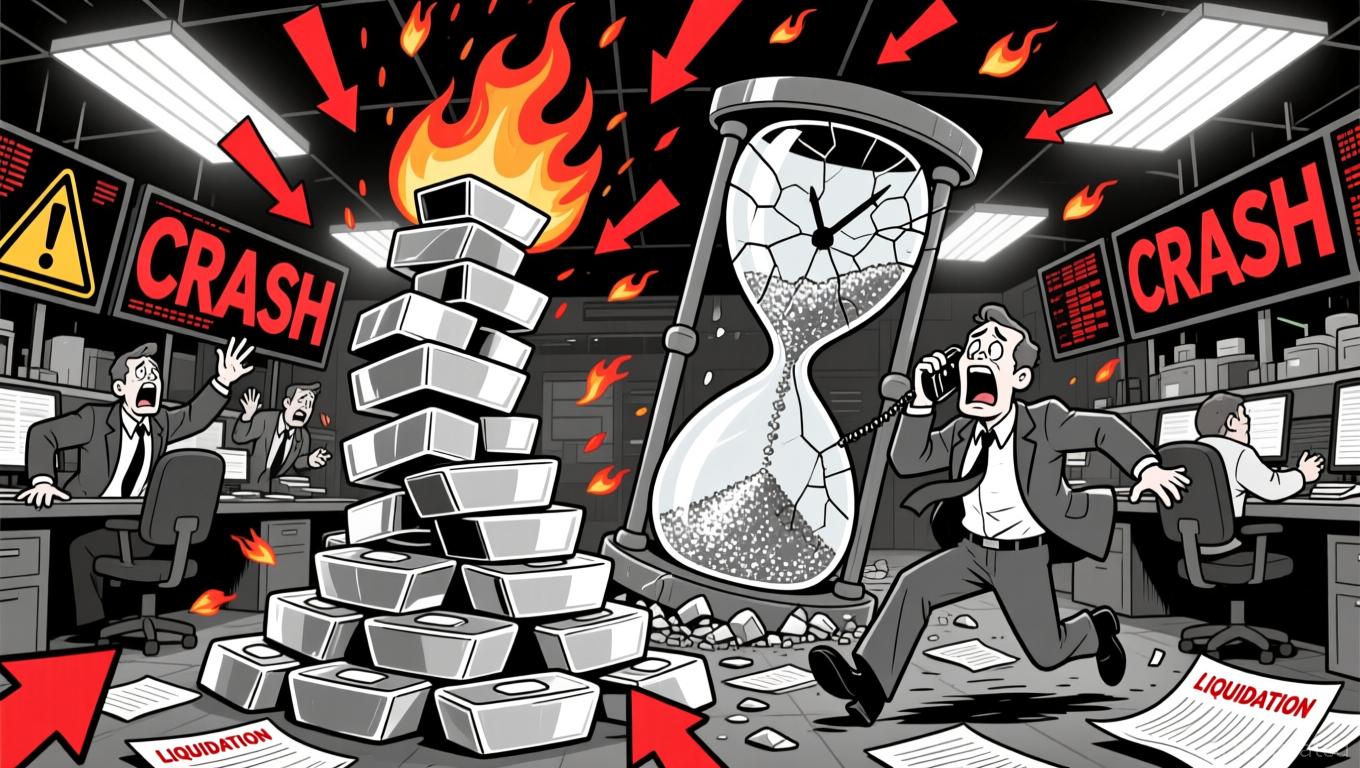
No rally is without peril, and recent CME actions highlight vulnerabilities. In futures trading, leverage allows control of large positions with minimal capital—initial margins typically 3-12% of contract value. When volatility spikes, the CME hikes margins to mitigate risk, as seen in December 2025: rates rose 10% on December 12, then to $25,000 for March 2026 contracts effective December 29.
These increases tighten capital constraints, forcing over-leveraged traders to liquidate, which can cascade into price drops. In 2011, similar hikes triggered a 50% crash from $50 to $26. Today, with RSI indicators overbought and parabolic moves, a “margin spiral” could unwind the rally.
This evokes the Hunt brothers’ saga. In 1979-1980, Nelson Bunker and William Herbert Hunt amassed over 200 million ounces, driving prices from $6 to $48. CME and COMEX responded with margin hikes to over 50% and position limits, leading to $1.7 billion in margin calls. On “Silver Thursday,” March 27, 1980, forced liquidations crashed prices 50% in a day, bankrupting the brothers with over $1 billion in losses.
Parallels exist: 2025’s 169% gain mirrors 1980’s frenzy, and CME hikes aim to curb speculation. But differences temper fears—no single entity dominates like the Hunts, and today’s rally stems from real deficits, not pure manipulation. Post-1980 regulations make a repeat less likely, but overbought conditions warn of corrections.
Copper Substitution Risk: Why the Shift Remains Slow
The primary counterargument to the bear: “They’ll just switch to copper.” Copper is ~100x cheaper, with excellent conductivity, and breakthroughs (e.g., AIKO’s copper interconnections, Sunpro Power’s efficiency records, and JXTC’s HD Plate process ramping in 2025) make it viable. Payback periods for conversion are attractive (~1.5 years), with massive annual savings potential.
But time is the real constraint. Global solar cell production is dominated by hundreds of specialized facilities (estimates vary, but major crystalline silicon lines number in the low hundreds, with China controlling 80%+ capacity). Full conversion per factory takes 12–24 months due to retooling, efficiency testing, and supply chain limits.
Key timeline math:
- Max parallel conversions: ~60 factories/year (equipment bottlenecks).
- To reach 50% copper adoption: Minimum 4 years.
- Even with unlimited capital, physical limits slow rollout—full industry shift likely takes 5+ years for 75% adoption.
Copper substitution is real and accelerating—but slow enough to support elevated prices through 2026–2027, even as thrifting and plating trials progress. Deficits dominate short-term
Investment Framework: Navigating the Volatility
For investors, positioning requires caution.Cycling gains into gold provides protection, given the ratio’s favoritism toward silver.
Watch key levels: deepening backwardation signals accumulation, while falling premiums warn of unwinds. With 57% of retail investors expecting $ 100 or more in 2026, sentiment is bullish, but history cautions prudence.
A Rally Rooted in Reality, Tempered by History
Silver’s 2025 rally represents a structural shift rather than mere speculation. Deficits, industrial booms, and macro tailwinds point to $100+ in 2026 and sustained gains beyond, potentially rivaling gold’s allure. Yet, CME margin risks and Hunt brothers’ echoes remind us of leverage’s double-edged sword—booms can bust swiftly.
As Musk notes, this isn’t just about prices; it’s about real-world impacts on innovation and supply chains. Investors should position accordingly: embrace the upside, but hedge against the inevitable swings. In a world of uncertainty, silver shines as both opportunity and cautionary tale. (You can reach out to the author at srinivasbg@invictusfinserv.com)