



When India condemned Pakistan’s recent air strikes inside Afghanistan that reportedly killed 26 Pashtun civilians, it was not engaging in diplomatic grandstanding. It was stating a simple principle: counterterrorism cannot become a pretext for civilian slaughter.
Pakistan claims its air force targeted terror hideouts across the Afghan border. If that were indeed the case, a legitimate question arises—how do supposed terror camps repeatedly turn out to be civilian habitations? Are intelligence inputs so disastrously flawed? Or are civilian lives being treated as acceptable collateral in a theatre of geopolitical messaging?
Let us be clear. Pakistan has faced deadly attacks from militant outfits operating along the Afghanistan frontier. The loss of its soldiers is tragic, and any sovereign nation has the right to defend itself. But sovereignty does not grant a licence to bomb indiscriminately. International law, basic morality, and regional stability demand precision, restraint, and accountability.
India’s condemnation, therefore, is not opportunistic—it is consistent with its stated position against terrorism and against reckless military adventurism.
Contrast this with India’s own counterterror responses. Following the 2016 Uri attack, the Indian Armed Forces conducted the 2016 surgical strikes across the Line of Control. After the 2019 Pulwama bombing, India launched the 2019 Balakot air strike, targeting a Jaish-e-Mohammed training facility deep inside Pakistan. And more recently, when 26 innocent tourists were butchered by Pakistan-sponsored terrorists—reportedly after being identified by religion in an act of chilling provocation—India responded with calibrated precision.
The objective in each case was clear: neutralize terror infrastructure, avoid civilian casualties, and send a message without escalating into uncontrolled warfare. The world may debate politics, but it cannot deny the difference in doctrine. India’s strikes were intelligence-driven and terror-specific. They were not punitive bombardments of villages masquerading as counterterrorism.
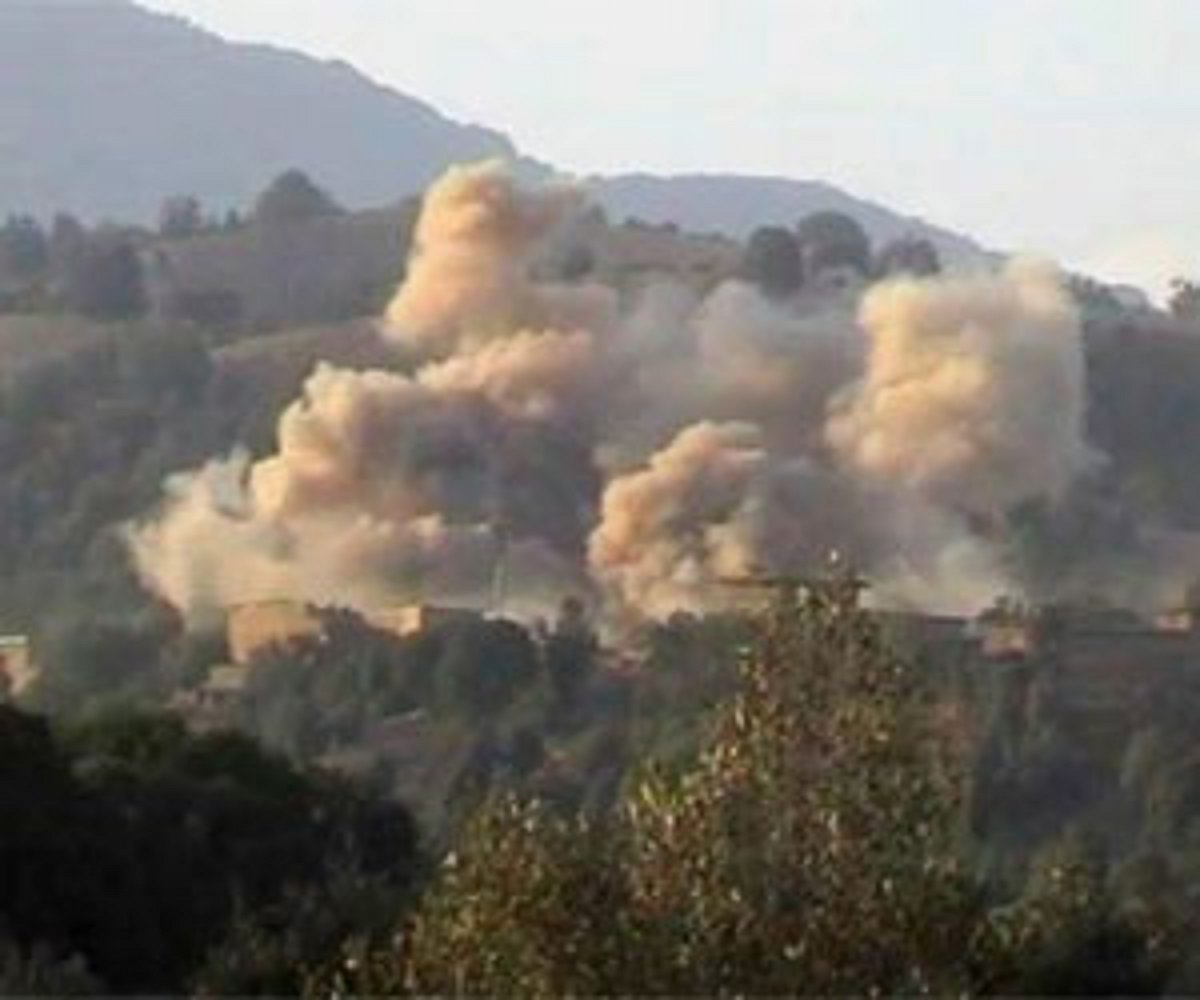
If Pakistan insists its latest strikes targeted militants, then transparency is essential. Where is the verifiable evidence of destroyed terror infrastructure? Why are casualty lists dominated by civilians? And if errors occurred, where is the accountability?
An uncomfortable question also lingers: was this an operational necessity—or an attempt to showcase air power amid domestic instability? Pakistan today faces crippling economic distress, dependent on bailouts from the IMF and friendly capitals. Inflation bites hard. Political chaos simmers. In such circumstances, cross-border military action can serve as a diversionary spectacle. Testing air force capabilities on Afghan soil might play well to certain constituencies—but at what human cost?
This is where India’s position gains moral weight. New Delhi understands that counterterror operations are not theatrical exercises. They are grave decisions involving human lives, international law, and regional consequences. Precision is not merely a military virtue—it is an ethical obligation.
Moreover, Pakistan’s credibility problem is self-inflicted. For decades, terror outfits such as Lashkar-e-Taiba and Jaish-e-Mohammed operated with impunity on its soil. When a state has been repeatedly accused of nurturing proxy groups, its claims of righteous counterterrorism ring hollow. You cannot cultivate strategic assets one decade and plead victimhood the next without scrutiny.
None of this suggests Afghanistan should become a sanctuary for anti-Pakistan militants. Nor does it absolve the Taliban regime of responsibility to curb extremist elements within its borders. But two wrongs do not make a right. Bombing villages does not dismantle ideology; it breeds resentment and radicalization.
India’s condemnation is therefore both principled and pragmatic. South Asia is a fragile neighbourhood. Escalatory impulses—especially those lacking precision—threaten to widen conflicts beyond control. If Pakistan truly seeks stability, it must invest in intelligence reform, diplomatic engagement with Kabul, and internal deradicalization—not headline-grabbing air raids.
The contrast is stark. Precision versus provocation. Accountability versus ambiguity. Responsible statecraft versus reactive muscle-flexing.
India has chosen the former. Pakistan would do well to reflect on the difference.


