



Having played Ranji Trophy cricket for Hyderabad in my younger days and continuing to coach tiny-tots even in my late seventies, I often hear people ask whether India can still produce world-class cricketers. My answer, without hesitation, is yes — abundantly so. Talent is not India’s problem. Guidance, patience, and timely correction often are.
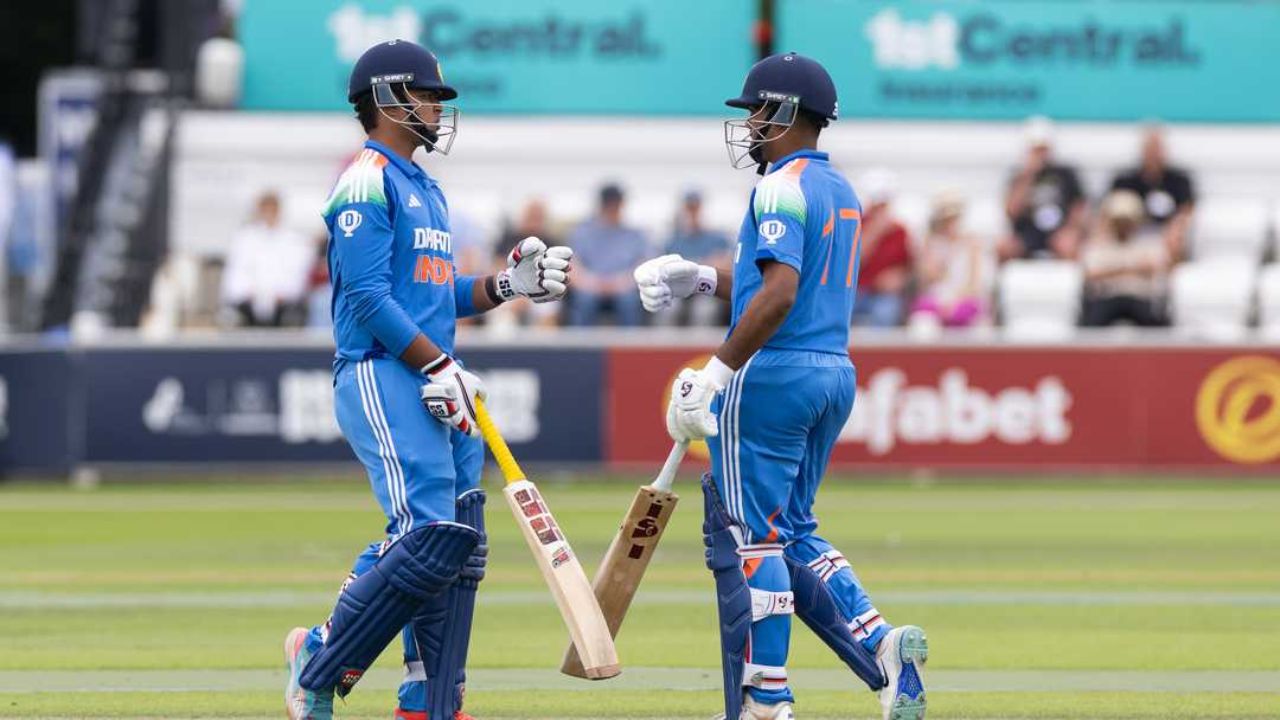
When I watch young prodigies like Vaibhav Suryavanshi, the Bihari wonder boy who is already creating waves in ICC Under-19 international tournaments, I feel reassured about the future of Indian cricket. At 14, he has already shown qualities that many cricketers acquire only after years of domestic grind — composure, shot-making ability, and an instinctive understanding of match situations.
Similarly, Aron George — though of Kerala lineage, born and brought up in Hyderabad and having represented the state — is another promising opener who deserves close attention. Both these youngsters, in their own ways, reaffirm my belief that India’s cricketing pipeline remains rich.
But talent, I must emphasise, is only the starting point.
As a coach, I watch with a different lens. While observing Suryavanshi closely, I noticed that he tends to repeat the same mistake while playing what is clearly his favourite shot — the hook. There is nothing wrong in having a favourite shot. In fact, Indian cricket has always been enriched by players who made certain shots their own.
Was there a better all-rounder than Kapil Dev, whose hook shot — often played in a near Nataraja pose — thrilled crowds and demoralised bowlers? Even today, India’s T20 captain Suryakumar Yadav plays a shot that may not technically be labelled a hook, but is remarkably similar in intent and execution. He may sometimes lose posture after playing it, but he ensures the ball clears the ropes. That is mastery.
The point I wish to drive home is simple:
great players refine their favourite shots; they do not abandon them blindly.
Suryavanshi, I believe, needs minor technical adjustments — foot positioning, head balance, shot selection — not a suppression of his natural flair. With proper guidance from coaches of the calibre of VVS Laxman, himself a great Indian cricketer with monumental achievements, including that unforgettable triple century against Australia when India needed it most, such refinement is entirely possible.
What delighted me most about Suryavanshi was not just his talent, but his cricketing intelligence. In a recent tournament, after being caught thrice attempting the hook shot, he consciously cut it out of his game. Watching a 14-year-old display such adaptability and game awareness was remarkable. It spoke of a mind far older than his years.
That he idolises Brian Lara — another priceless gift to world cricket from the West Indies after the incomparable Garfield Sobers — only reassures me further. Lara, like Sobers, played with freedom, but also with deep understanding. West Indies cricket, of course, was never limited to these icons alone; it produced fearsome pace bowlers like Andy Roberts and many of that intimidating lineage.
In the same breath, I must speak about Aron George, who gives me occasional glimpses of a young Virat Kohli — especially in intent and stroke confidence. Aron is a clean hitter and a natural opener, but I feel he needs to learn one crucial lesson: how to extend his stay at the crease. He must learn to hit the bad balls hard, but respect the good ones. Risking a miscue off a well-pitched delivery often costs a promising innings — and sometimes, a place higher up the ladder.
I say this after watching some very sensible cricket recently, including Pakistan’s match against the Netherlands, where patience and discipline stood out more than brute force.
As a Hyderabadi, however, I must admit a lingering sadness. Cities like Mumbai continue to produce not only cricketers but also influential sports journalists who spotlight young talent through consistent writing and advocacy. Hyderabad, sadly, lacks such strong voices today. Young players here often go unnoticed unless they force their way through extraordinary performances.
That is why, having been allowed to write for this e-paper, I feel a responsibility to showcase upcoming talents like Aron George — not to hype them prematurely, but to guide attention where it is deserved.
India has been blessed with generational gifts before — Sachin Tendulkar, Virat Kohli, Rohit Sharma. In Suryavanshi, I see another such gift in the making. Whether he fulfils that promise will depend not just on his bat, but on the quality of mentorship he receives now.
Talent opens the door.
Guidance decides how far one walks in.
And from where I stand — watching young boys still learn the basics on dusty pitches — Indian cricket’s future remains in very safe hands. (The author is a former Hyderabad Ranji Cricketer and presently coaching in a private coaching academy.)


Amazing article to read and learn more about cricket. 🙏