



For years, Canada perched itself on a moral high horse, lecturing India about democracy, free speech, and the “right to dissent.” Ottawa wrapped its political indulgence of Khalistani separatist elements in the comforting language of civil liberties, even as New Delhi repeatedly warned that this was not peaceful activism, but the romanticization—and at times rehabilitation—of a violent, extremist movement that once drenched Punjab in blood.
Today, the irony is not just thick—it is politically combustible.
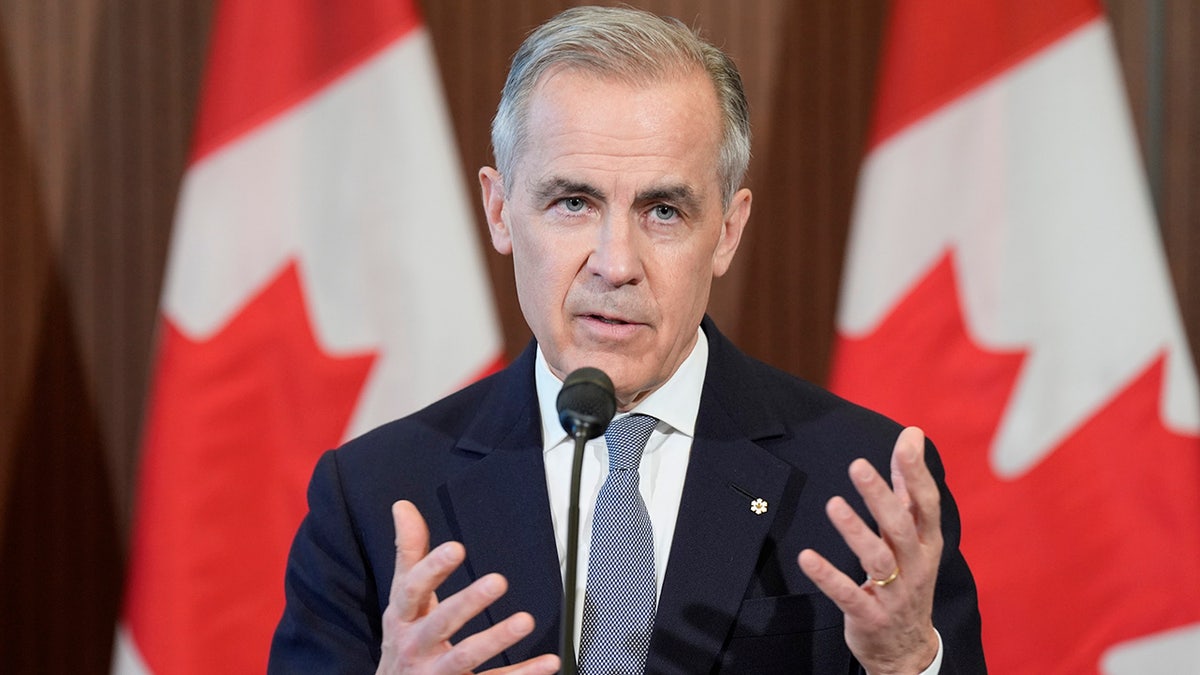
Canada now finds itself grappling with separatist rumblings closer to home. When the Canadian Prime Minister was compelled to condemn a militant Alberta-based outfit for engaging politically with US President Donald Trump—a leader who has, more than once, joked (in fact, claimed) about Canada becoming America’s “51st state”—the optics were impossible to ignore. Suddenly, Ottawa is discovering what it feels like when internal fissures flirt with external validation.
The question writes itself: Is Canada now tasting the very destabilizing politics it once justified exporting?
For decades, India has maintained that the Khalistan movement is not a benign expression of cultural identity, but a violent secessionist campaign rooted in the dark legacy of the 1980s insurgency—an era marked by assassinations, bombings, and ethnic cleansing. The Air India Flight 182 bombing in 1985, which killed 329 people—most of them Canadian citizens—remains the deadliest act of aviation terrorism before 9/11. And yet, the principal planners and sympathizers of that atrocity emerged from Canadian soil.
Instead of treating this as a national reckoning, successive Canadian governments often reduced Khalistani activism to a “diaspora issue,” shielding it under the umbrella of free expression. Gurdwaras became political stages. Referendum theatrics were allowed to masquerade as democratic exercises. Extremist symbolism was normalized in public spaces. Every Indian protest was dismissed as “overreaction.”
Now, the script has flipped.
When a separatist-leaning Alberta outfit seeks legitimacy by engaging a foreign leader—especially one who openly toys with the idea of annexing Canada—Ottawa cries foul. Suddenly, foreign interference is no longer a theoretical concern. Suddenly, national unity is not an abstract concept.

What changed?
The answer is simple and uncomfortable: the fire has reached Canada’s own doorstep.
For years, New Delhi argued that allowing extremist narratives to flourish—especially when they glorify violence or territorial disintegration—does not remain a “foreign policy problem.” It metastasizes into a domestic security threat. The same principle applies whether the slogan is “Khalistan” or “Alberta First.”
Canada’s political establishment preferred to frame India’s objections as hypersensitivity, or worse, authoritarian intolerance. But when its own territorial integrity appears vulnerable to ideological provocation and external validation, Ottawa suddenly discovers the language of sovereignty, national security, and unity.
This is not a coincidence. It is a consequence.
Western democracies often champion free speech as an absolute virtue, but history repeatedly shows that no nation treats secessionist extremism as mere opinion when it threatens its own borders. Spain does not indulge Catalan militancy. The UK did not treat the IRA as a cultural movement. The US would not tolerate a Texas or California secessionist group soliciting foreign backing. Yet, Canada expected India—a nation that bled through a violent insurgency—to calmly accept overseas platforms that glorify a separatist cause rooted in bloodshed.
The Alberta episode has exposed a deeper contradiction in Canada’s foreign and domestic posture: You cannot defend national unity at home while rationalizing separatism abroad.
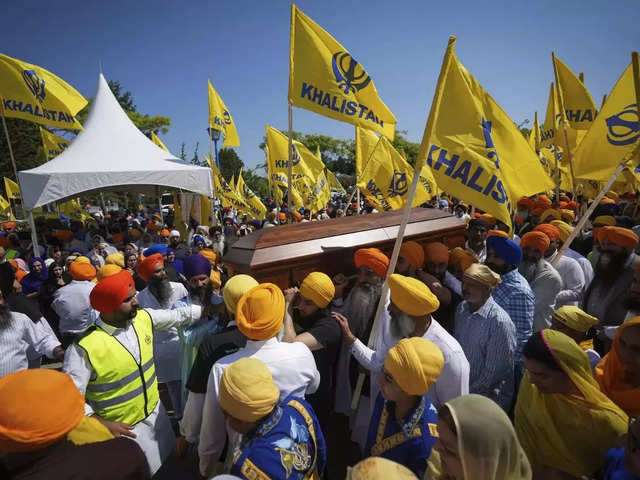
By condemning the Alberta outfit’s engagement with Trump, Ottawa implicitly acknowledges a fundamental truth—that when political movements seek validation from foreign powers, they cross the line from dissent into destabilization. This is precisely the argument India has made for years about Khalistani groups operating out of Canadian cities.
There is also a geopolitical undertone Canada can no longer ignore. In an era of hybrid warfare, where influence operations, diaspora politics, and ideological leverage are tools of statecraft, separatist movements become convenient pressure points. What Ottawa once brushed aside as harmless activism now looks uncomfortably like a vulnerability.
The moral inconsistency is stark. Canada demanded empathy for Khalistani “sentiment” but offers none for Indian victims of Khalistani violence. It dismissed India’s security concerns as political convenience, but now frames its own as a matter of national survival.
This is not about silencing dissent. It is about drawing a line between peaceful advocacy and ideological movements that seek to fracture nations through provocation, foreign patronage, and historical revisionism.
If Canada is serious about confronting separatism at home, it must also revisit the permissiveness it extended abroad. National sovereignty cannot be a selective principle, applied only when the threat carries a Canadian accent.
The lesson is as old as geopolitics itself: Extremism does not respect passports. What you normalize in someone else’s backyard eventually learns to knock on your own front door.
Canada is now hearing that knock. The only question is whether it will finally acknowledge the warnings it once chose to ignore.


