Dharam Guruva Reddy
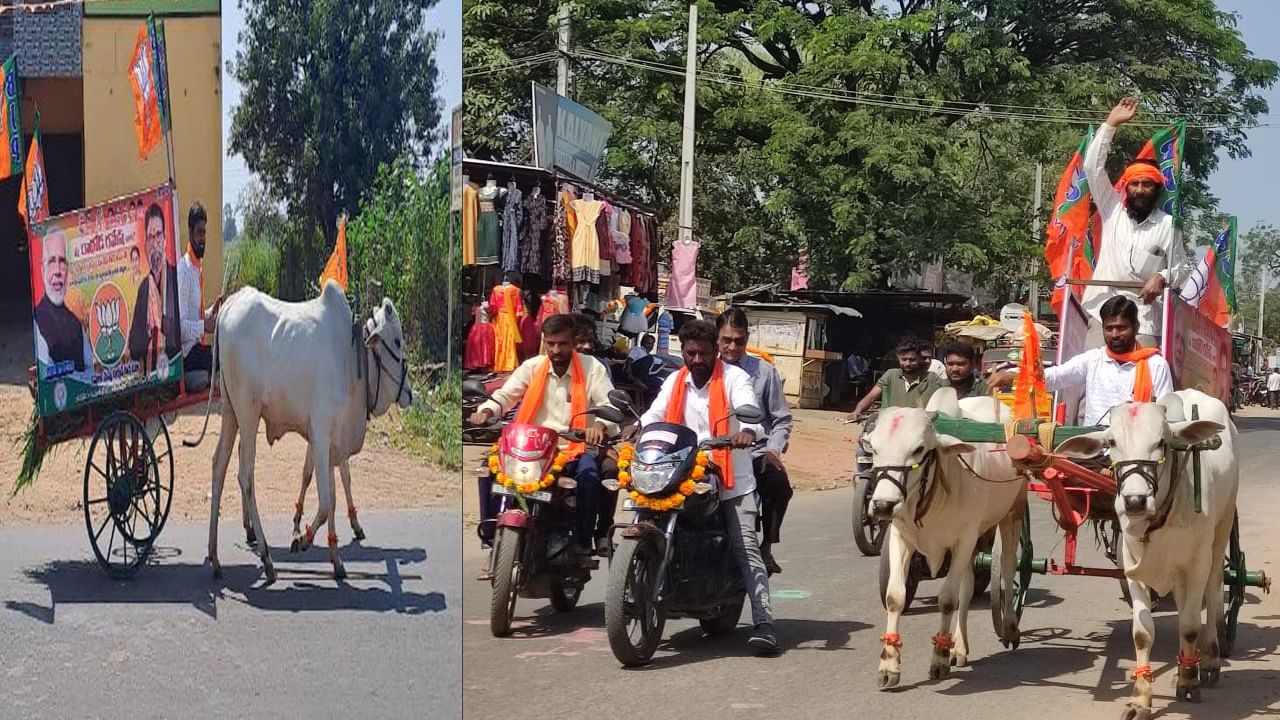
Across Telangana, a quiet but decisive shift is taking shape at the grassroots. In mandals and villages, BJP-backed Sarpanch candidates are witnessing growing enthusiasm—fuelled not by rhetoric, but by a clear pitch for transparent governance, faster development, and stronger financial support from the Union Government.
The message resonating in village meetings is simple: elect a development-minded Sarpanch and the Centre will stand firmly behind your village. Several BJP MPs have been touring their constituencies, publicly committing an additional ₹10 lakh from their MPLADS funds to any village that chooses a BJP-supported Sarpanch. For rural communities starved of honest leadership, this assurance is more than a campaign promise—it is a tangible shot at accelerated development.
What many voters didn’t fully realise until now is that a major portion of Gram Panchayat funding comes directly from the Union Government. Under existing rules, the Sarpanch and Upa-Sarpanch jointly operate the Panchayat accounts and hold cheque-signing authority for all central grants. This mechanism has already strengthened local governance by giving villages autonomy over how funds are used.
And the numbers over the past five years tell their own story:
- A village with 1,000–1,500 voters received ₹50–75 lakh in central grants.
- Larger Gram Panchayats with around 3,000 voters received up to ₹5 crore.
This is not just fiscal allocation—it is a statement of intent: rural development is a national priority, and Telangana’s villages have not been neglected by the Centre.
A proactive Sarpanch can multiply the impact of these funds. By drafting proposals for roads, digital infrastructure, drinking water systems, farm-support centres, or welfare facilities, village leaders can seek special allocations directly from various Union ministries. Many villages across India have already tapped this channel to transform their civic landscape. Telangana’s villages can do the same—if the Sarpanch understands how to engage with the system.
This practical, results-driven model of governance has found strong favour among voters who are increasingly tired of local power politics and want measurable development.
This shift at the grassroots is, in many ways, a modern interpretation of Mahatma Gandhi’s Gram Swaraj—self-reliant villages managing their own progress. Central schemes for sanitation, drinking water, digital access, housing, agriculture, rural roads, and livelihoods have fundamentally changed the landscape. Many households previously below the poverty line now enjoy stability, dignity, and new economic opportunities.
Technology, transparency, and direct beneficiary systems have brought governance closer to the doorstep of every home. And the demand from villagers is clear: they want leadership that matches this new India—efficient, accountable, and forward-looking.
The growing support for BJP-backed Sarpanch candidates is not merely a political trend. It is a reflection of what rural Telangana now aspires for: empowered Panchayats, assured funding, and leaders who understand how to tap national programmes for local benefit.
As villages continue to evolve into more vibrant and modern communities, the push for better leadership at the Panchayat level may prove to be a defining moment in Telangana’s grassroots politics.
If this momentum continues, the road to rural transformation may not run through party offices or state capitals—it may begin right at the Panchayat doorstep.