Ramu Chelimella
Every year, millions of devotees across Telangana come together to celebrate Bonalu with profound faith, devotion and cultural pride. The vibrant processions, beautifully decorated temples, rhythmic beats of the dappu, the energetic dance of Pothuraju, women carrying the sacred Bonam on their heads, and the rich display of folk traditions transform towns and villages into centres of spiritual celebration.
Yet, beneath this colourful spectacle lies a far deeper message—one that reflects India’s timeless civilizational wisdom, the harmony between humanity and nature, and the eternal values of gratitude, service and collective well-being.
Bonalu is not merely a religious festival. It is a living tradition that has preserved, for centuries, an indigenous understanding of public health, community solidarity, environmental consciousness and spiritual resilience.
A Festival Born Out of Collective Prayer
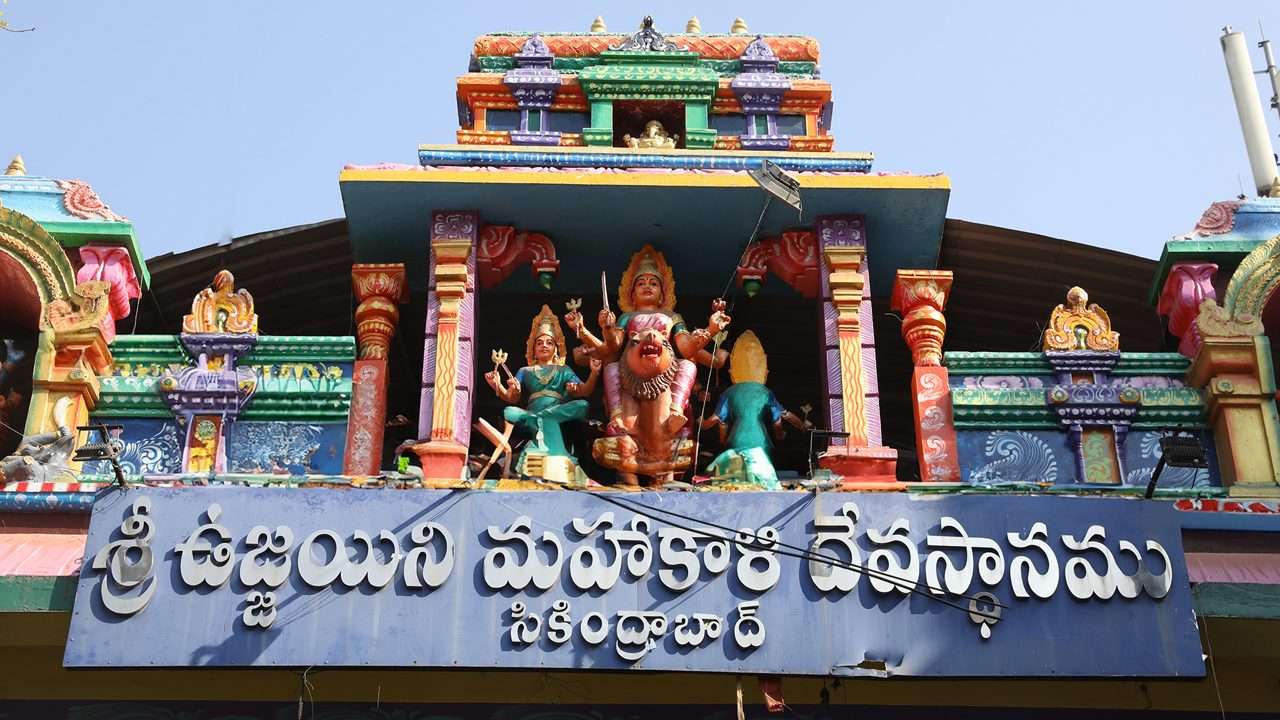
The origins of Bonalu are deeply rooted in history. Long before the advent of modern medicine, outbreaks of epidemics such as cholera, smallpox and other infectious diseases often accompanied the onset of the monsoon. Communities, with little scientific understanding of these illnesses but immense faith in the Divine Mother, gathered to offer prayers to Goddess Mahankali, seeking protection from disease and praying for the health and prosperity of society.
The festival was therefore never centred on individual prosperity alone. It represented a collective prayer for the welfare of the entire community—a reminder that human survival has always depended upon cooperation rather than isolation.
The very word Bonam is derived from the Telugu word Bhojanam, meaning food. The offering of cooked rice, jaggery, curd and turmeric is not an extravagant display of wealth but a humble expression of gratitude for the blessings of food, rainfall, harvest and life itself.
In a world increasingly driven by consumption, Bonalu quietly teaches the virtue of thanking the Divine before seeking more.
Every Ritual Speaks a Language of Wisdom
Indian festivals are rarely built around empty rituals. Every practice carries layers of symbolism developed over generations.
The Bonam itself represents gratitude towards Mother Nature, acknowledging that every grain of food is ultimately a blessing bestowed through the harmonious interaction of earth, water, sunlight and human effort.
Turmeric and neem, both integral to Bonalu celebrations, have long occupied a special place in India’s traditional knowledge systems. Revered for their cleansing, healing and protective qualities, they also symbolize purity, health and the preservation of life.
Pothuraju, often viewed merely as the colourful lead performer in the procession, represents much more. He symbolizes courage, fearlessness and the collective resolve to confront adversity. His vigorous dance reminds society that challenges—whether disease, fear or social discord—must be faced with strength and unity rather than panic.
The community processions themselves carry an important social message. They dissolve barriers of caste, class and economic status, bringing people together in shared devotion. Every participant becomes part of something larger than oneself, reinforcing the idea that society thrives only when individuals care for one another.
Above all, the worship of Sri Mahankali represents the eternal victory of courage over fear, wisdom over ignorance, compassion over selfishness and hope over despair.
Ancient Wisdom Meets Modern Relevance
The scientific landscape has changed dramatically. Vaccines, antibiotics and advanced healthcare have saved countless lives. Yet, despite these remarkable achievements, humanity continues to face new challenges.
Emerging diseases, mental health disorders, chronic stress, loneliness, environmental degradation, climate change and increasing social fragmentation have become defining issues of our time.
Material prosperity alone has not guaranteed happiness or inner peace.
In this context, Bonalu offers a message that is perhaps more relevant today than ever before.
True health is not merely the absence of disease.
It is the harmonious balance of body, mind, family, society, environment and spirituality.
Bonalu reminds us that good health includes:
- A healthy body sustained by nutritious food.
- A peaceful and disciplined mind.
- Strong and caring families.
- Compassionate and united communities.
- Respect for nature and ecological balance.
- Gratitude towards the Divine and humility before creation.
Modern public health increasingly recognises that community participation, emotional well-being and social connectedness play a vital role in human wellness. Interestingly, these principles have long been embedded in festivals like Bonalu.
Beyond Celebration: A Call for Inner Transformation
Unfortunately, many traditional festivals today risk being reduced to occasions for entertainment, commercial activity or social media visibility.
While celebration is an integral part of culture, festivals lose their soul if their deeper purpose is forgotten.
Bonalu invites every devotee to pause and reflect.
It reminds us to strengthen family bonds, help the needy, preserve local traditions, support artisans and folk artists, protect the environment, and cultivate humility instead of arrogance.
The true offering to the Goddess is not merely the Bonam carried to the temple.
It is the offering of a compassionate heart, honest conduct, selfless service and responsible citizenship.
When these values become part of everyday life, Bonalu ceases to be an annual event and transforms into a living philosophy.
A Civilizational Message for Future Generations
India’s festivals have survived for thousands of years because they are far more than rituals. They are repositories of civilizational knowledge, preserving lessons in ethics, ecology, public health, social harmony and spiritual evolution.
Bonalu stands proudly among these living traditions. It teaches that prosperity without gratitude breeds arrogance; power without compassion breeds conflict; and progress without cultural roots ultimately weakens society.
As younger generations embrace technology and modern lifestyles, preserving the essence of Bonalu becomes even more important. The festival is not opposed to modernity; rather, it complements it by reminding us that scientific advancement and spiritual wisdom can coexist. A society that combines innovation with values, and progress with gratitude, is better equipped to face the challenges of the future.
As we bow before Sri Mahankali this Bonalu, let us revive not only the celebration but also its timeless message:
Gratitude over greed.
Service over selfishness.
Unity over division.
Duty over entitlement.
Compassion over hatred.
Spiritual growth over material obsession.
If these values guide our lives, Bonalu will continue to nurture not only healthier individuals but also stronger families, more resilient communities and a more compassionate nation.
May Sri Mahankali bless us all with good health, wisdom, peace, prosperity and the strength to live in harmony with nature, with society and with one another. For in that harmony lies the true spirit of Bonalu—and the enduring wisdom of an ancient civilization.