



Kaliyadeh Palace Sun Temple is situated on the banks of the Shipra River, about 8 km north of Ujjain city. The temple is part of the historic Kaliyadeh Palace complex, surrounded by the river and ancient water tanks. Though the palace is now the most visible part of the site, this sacred place has a much older connection with the worship of Surya, the Sun God.
The exact age of the original Sun Temple is not known. Traditional accounts connect the sacred site with the Avanti region described in the Skanda Purana. The present Kaliyadeh Palace was built in 1458 CE during the reign of Sultan Mahmud Khilji of Malwa. Remains associated with the older sacred complex can still be found around the site.
The principal deity associated with the temple is Surya, the Sun God. In Hindu tradition, Surya is regarded as the giver of light, energy, health and life. Worship of Surya has a particularly important connection with Ujjain because the city was also a major centre of ancient astronomy and the study of celestial movements.
The sacred complex has two important water bodies known as Surya Kunda and Brahma Kunda. Surya Kunda is traditionally associated with the worship of the Sun, and ritual bathing here continues to be part of the religious traditions of the place.
Kaliyadeh is unusual because it combines the remains of an old sacred site with palace architecture and ancient water structures. The Kaliyadeh Palace has courtyards, arches, domes, passages, and water channels that reflect the architecture of medieval Malwa.
The original Sun Temple has not survived as a complete structure. Scattered architectural remains around the complex give an idea of the site’s earlier religious importance. The surrounding Shipra River, kunds and gardens add to the peaceful character of the place.
Kaliyadeh has been a sacred place for many centuries. Traditional Hindu literature mentions a Sun Temple at this location along with Surya Kunda and Brahma Kunda. Over time, the site became associated with the rulers of Malwa.
In 1458 CE, Sultan Mahmud Khilji constructed the Kaliyadeh Palace at the site. The complex later went through periods of neglect and deterioration. In modern times, restoration work helped preserve the palace and its surroundings, allowing visitors to experience this unusual combination of religious and medieval heritage.
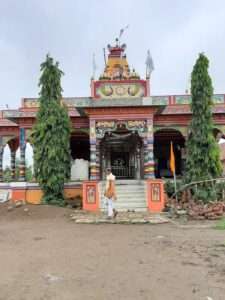
There is an old story connected with this sacred land on the banks of the Shipra.
Long ago, when this region was known as part of ancient Avanti, the banks of the Shipra were believed to be filled with sages and devotees performing prayers and austerities. Among the divine forces worshipped here, Surya, the radiant Sun God, held a special place.
It is said that devotees came to this sacred spot at sunrise, when the first rays of the Sun touched the waters of the Shipra. They would bathe in the sacred waters and then offer prayers to Surya. The light of the rising Sun reflected upon the water, and the place gradually became known as a powerful centre of Sun worship.
According to traditional belief, Surya Kunda became especially sacred because prayers and ritual baths performed there were believed to bring health, vitality, and spiritual merit. Brahma Kunda, situated nearby, added another dimension to the sanctity of the place.
As generations passed, the fame of this sacred spot spread across Avanti. A temple dedicated to Surya was established here, and pilgrims continued to visit the site to worship the Sun God. Even after the original temple disappeared and later structures rose around it, the sacred memory of Surya Kunda and the old temple remained alive.
The medieval Kaliyadeh Palace that stands here today became part of this much older sacred landscape. Thus, the site carries two different layers of history—the ancient tradition of Surya worship and the medieval history of Malwa—standing together beside the timeless flow of the Shipra.
Devotees visit the sacred site especially for Surya worship, particularly on Sundays and on important occasions connected with the Sun God. Ritual bathing and prayers at Surya Kunda are part of the local tradition. The wider Ujjain region also attracts large numbers of pilgrims during major Hindu festivals, when the ancient temples and sacred places along the Shipra become especially vibrant.

